
How to Genre?
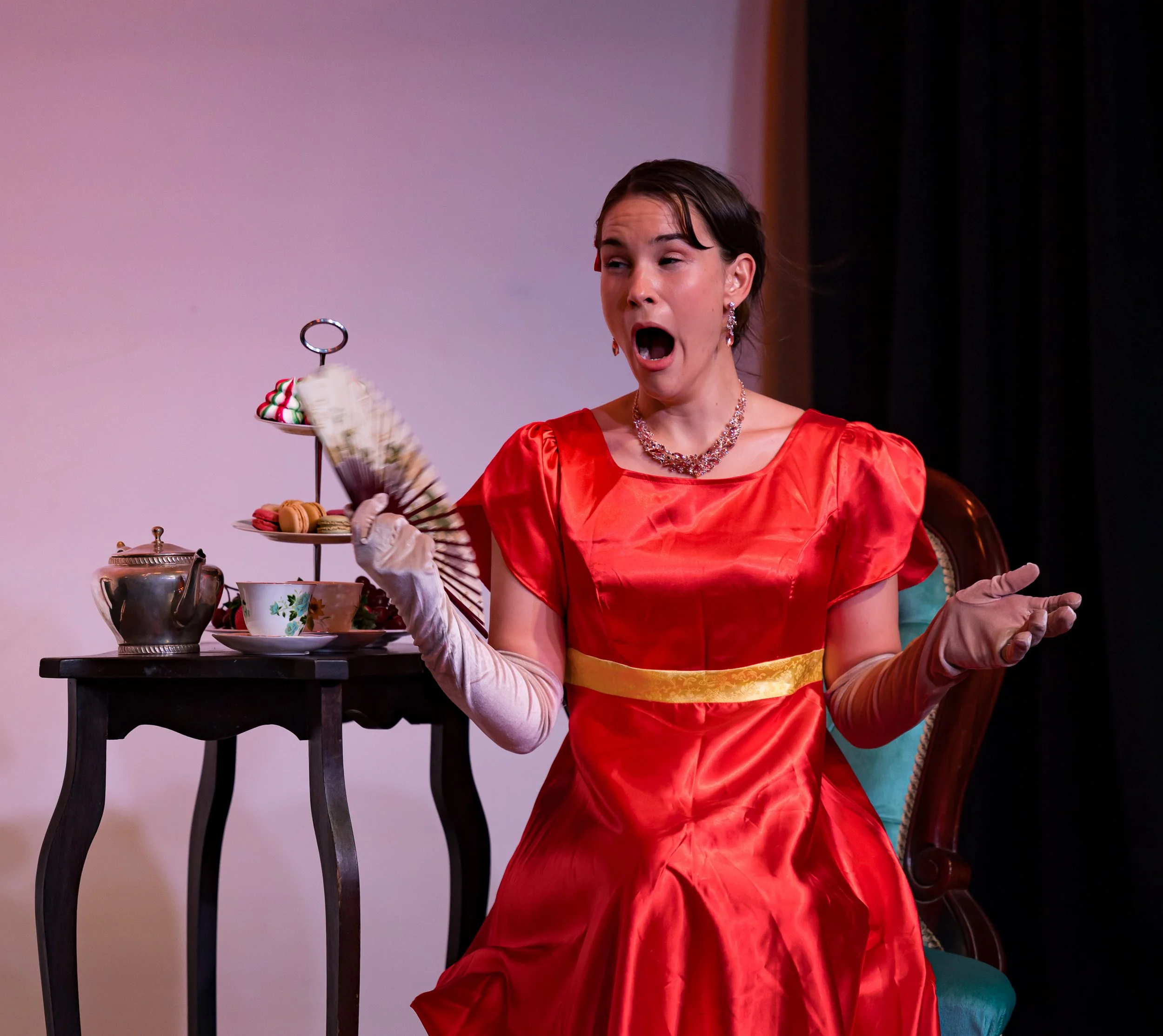
There are a number of improv games which rely up performers knowledge of a genre - Film Noir, Musical, Shakespeare, Genre Replay or Play in the style of to name a few.
These games are different to other forms of improv games, which have normally been created to teach or train a specific skill. For example, x-words is intended to teach students not to rely on dialogue, while double figures trains students to work together. Most games tend to have a clear set of rules and purpose (ie only say x number of words).
A genre scene in contrast seeks to recreate a well-loved genre for the audience. There aren’t really any rules and the scene isn’t structured to assist students in creating a scene. This can leave students struggling because the structure that is usually present in games is not there.
However, these attributes can also make genre games some of the best games for teams to perform. There are less restrictions than other games and more capacity for teams to create bold characters and tell stories.
Below are some tips on how to best approach genre.
Pick a genre you know and like
One weakness we often encounter is that people perform scenes recreating a genre which they either don’t like or know very well. This leads the team to base their scene on either other impro scenes they have seen or broad assumptions or cliches.
For example, many people have never seen an opera or a film noir movie. As a result, teams will often have no choice but to fall back on cliches. For example, they might play a valkyrie in every opera, or a grizzled detective in every film noir scene. Once your approach to scenes becomes routine, improvisation technique tends to also diminish and the scenes become repetitive and same-ish.
This doesn’t mean everyone on your team has to be an expert in a genre. Just that your team overall knows the genre and (hopefully) likes it.
Do some research
Genre really benefits from some background knowledge. Maybe you don’t have the time or inclination to go to the opera or watch The Maltese Falcon. However, there are plenty of good guides you can find online which can give you a quick download of the key aspects. of a genre.
That being said, it can be fun to do research and what classic movies or shows from your genre (and Opera Queensland do cheap opera tickets for young people).
Elements of genre
There are different ways of thinking about genre but the below are useful from an impro perspective.
Setting (where these kinds of scenes are normally set)
Characters (the kinds of characters found in this genre)
Language (the kind of language used in the genre)
Plot elements and cliches (the type of stories told and any class plot devices)
Themes (the common moral or topics a genre explores)
Technical elements (this is more outside of your control but includes lighting and musical backing)
Its not always possible to focus on all of these on an impro stage. There are groups around the world that specialise in particular genres (such as improvised Jane Austen or Shakespeare) who might be able to deliver on each element. But for an average short-form scene you may only be able to focus on 1 or 2 of these elements comfortably.
However, this is more than enough.
Example
If you are performing a film noir scene you might choose to set it in a school (not usual for the genre). However, one of the teachers might be a world weary detective who talks in a mid-century New York accent. They might be investigating a missing exam paper or some graffiti on the school (mystery and stolen objects being a common plot element in the genre).
Or you might do a scene set in 1940s London where you are searching for a stolen artwork. Here, the setting and the plot are very much derived from the genre. However, your characters and language might not be as strongly connected (you might not be able to do London accents, for example).
Focus on one or two elements and you will often find the rest of the scene naturally starts to feel like the genre.
Try character and language
In all honesty, probably the strongest ways to create a genre is to focus on character and language. A Shakespearean play is very recognisable by its language and characters. You could set your scene somewhere completely un-shakespearey (like the Coles in Eagleby, near where I grew up) but it will still feel like Shakespeare if you are using Elizabethan language and acting like Elizabethan characters.
But focus on whatever elements works for you and your team.
The cliched approach
We would recommend avoiding doing scenes in the same way you have seen them done before. For example, a film noir scene starting with a detective monologuing while looking out a window before a femma fatale enters the room.
If you rely too heavily on cliches, then you stop improvising and begin recreating scenes which you have seen in the past.