
Why is it important to take sexuality seriously in improv?
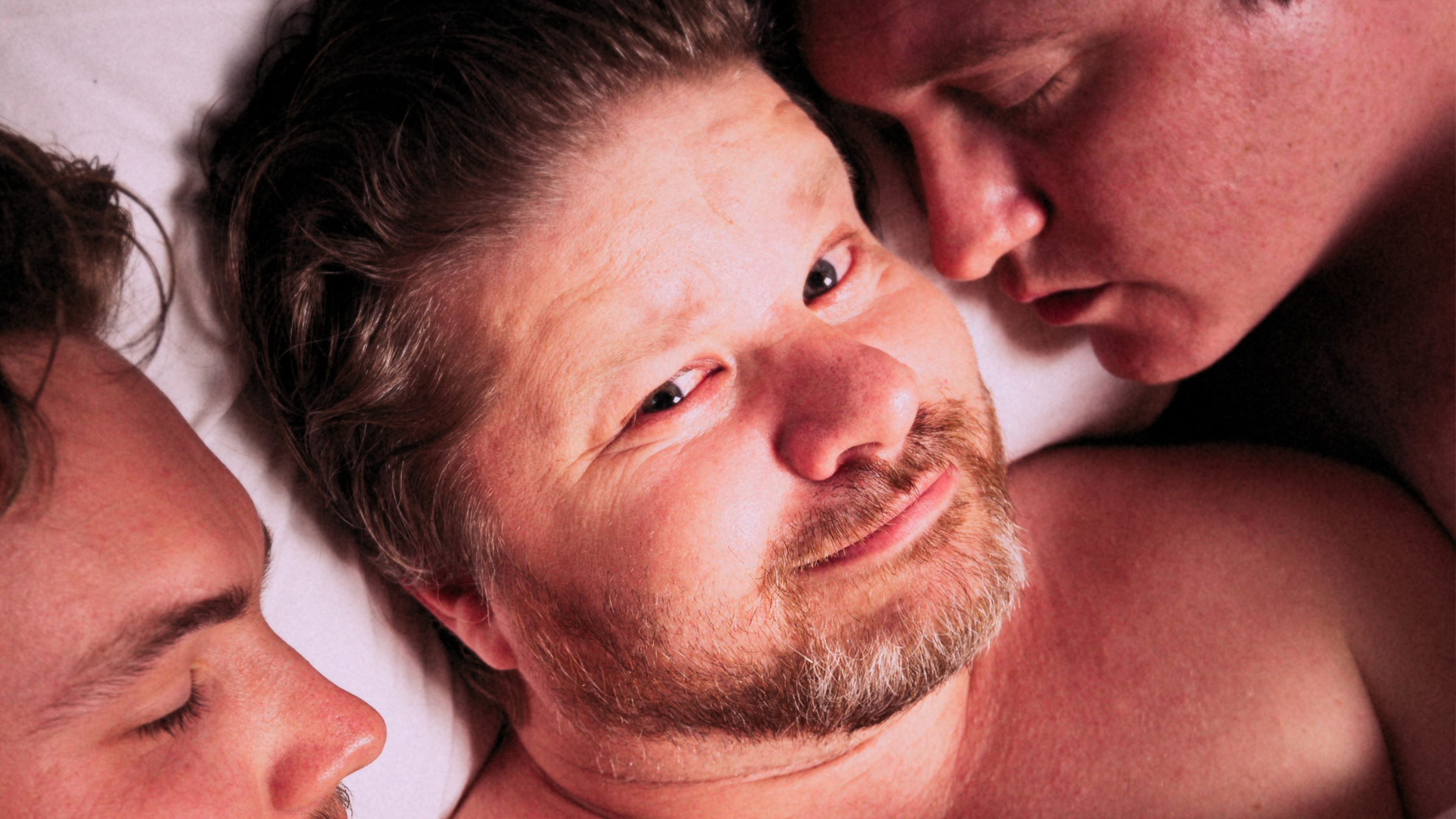
Improv Queensland has a rich history of treating sex and sexuality with respect, humour and a good deal of curiosity. After 35 years of improvising, our very own Tom Dunstan shares his insights on why sexuality is worthy of exploration on the improv stage. Over to you Tom ….
Who the hell are you, and what are you doing here?!
Ok, a little aggressive, I know, but that is what an audience is asking when you step on stage. “Who are you? And what are you doing?” More importantly, it’s what we ask ourselves.
Sometimes we know before our foot hits the stage. Sometimes we discover it in the moment.
The interesting thing about improv is that it tends to “leak” into the real world. While we are answering the question “Who am I” for the character, some of that answer is drawn from ourselves, the actor. Art cannot be completely separated from the artist.
“Why do I improvise?”
Have you ever been asked that question? I have, and I find it excruciating to come up with a short, pithy answer. There are so many reasons, and I could pontificate for hours about it.
But the biggest part of it, is connection.
Connecting to my fellow improvisors, really syncing up, being surprised by them, and building a reality from our relationship. With any good productive relationship, there must be a level of honesty and authenticity.
This is true for the audience as well. We all know we are pretending up there, but for us, as spectators, we want to believe what we are seeing. At least as far as the fiction will let us.
We’ve all seen improvisers do the “deer in the headlights”, performing where their voice is monotone and stilted, and their actions stiff, as though they are trying to get away with the lie of the scene. It’s for effect and can get quick laughs, but it’s ultimately unsatisfying. At least much less satisfying than seeing a performer commit to the internal reality of the character and the scene.
“Ok you’ve been yammering on, but where’s the sex? The title promised sex stuff!”.
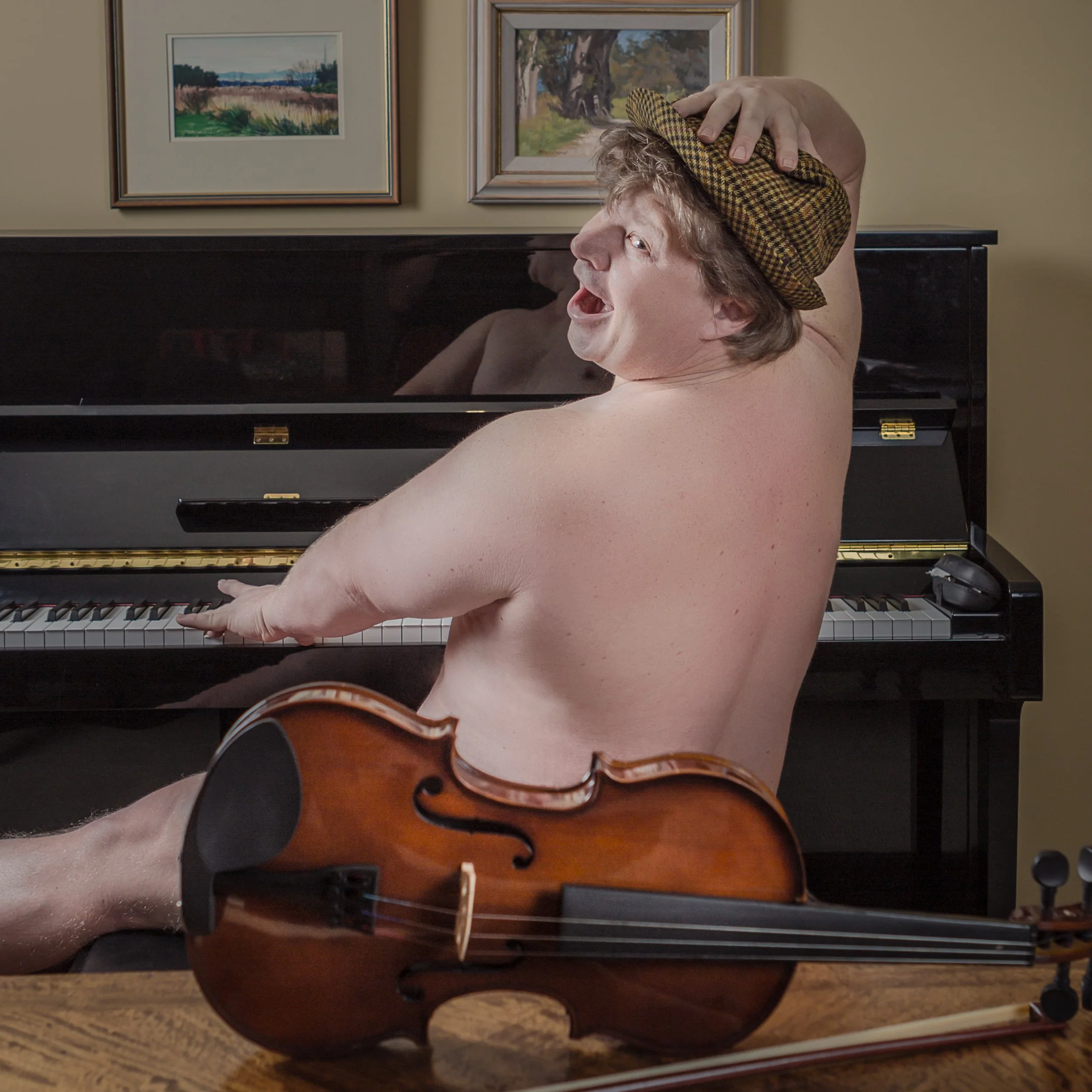
Firstly, how are you talking to me through the page? Secondly, I’m getting to it!
The point is, we can’t improvise effectively unless we bring our whole selves to the stage. Who we are, what we’ve experienced and learnt, are crucial to producing work on stage that the audience, our fellow performers, and even ourselves can connect to. It brings meaning to the work and authenticity.
Our sexuality is a big part of who we are. Even if you sit on the ACE spectrum, it informs your work.
Imagine telling Michelangelo he can’t paint using the colour red. Could he do a good job? Sure, but it ain't going to be the Sistine Chapel. So too we need to be able to use all the colours in our improv paint box to do our best work.
I have done many shows in the last 35 years, some with sex and sexuality as the central theme, and inevitably, the players who are newer to these types of shows report a sense of increased confidence. They often say that the fears they had around sex and sexuality as a performer are no longer there, and those fears weren’t about a specific thing, but more about the unknowns.
It’s when they are allowed to experience these moments, that they learn about themselves. They grow as performers and artists. It is especially important to improvisers, because improv at its core, is about finding and conquering those fears.
“What about taboo topics?” Look, no one is saying there aren’t topics that we struggle to treat in a sensitive way. Topics that may invoke trauma. There are ways to approach these topics, BUT if you haven’t done the work off stage to understand these topics, don’t do them on stage.
This is just as true of taboo scenes that don’t relate to sex or sexuality as well.
Sex and sexuality are not inherently taboo, and where they are related to a taboo topic, it’s usually more to do with power and control than sexuality itself. We are still able to be discerning and responsible as performers.
“Are you saying we should make every scene sexual?” Of course not! Not every painting needs vivid red. But you can make purple from red and blue. It doesn’t need to be overt or directly about sex, but it’s part of who you are and informs your work, even if just subtly.
Finally, why do I think it’s important to take sexuality seriously in my improv?
My improv IS me. My art is FROM me. It is important to bring all of myself to the stage, to create the stories and characters that make the work worthwhile.
I need to give my fellow performers the space to do the same.
And who knows, someone in the audience might just get to see something of themselves represented that they otherwise wouldn’t.
Stay sexy friends 😉
Tom Dunstan