
Improv for Kids: It’s No Joke
With the Theatresports Schools Festival just around the corner, our resident school teacher and Youth Theatresports Coordinator , Fiona Bergstrum, shares her thoughts on the value of improv for kids.
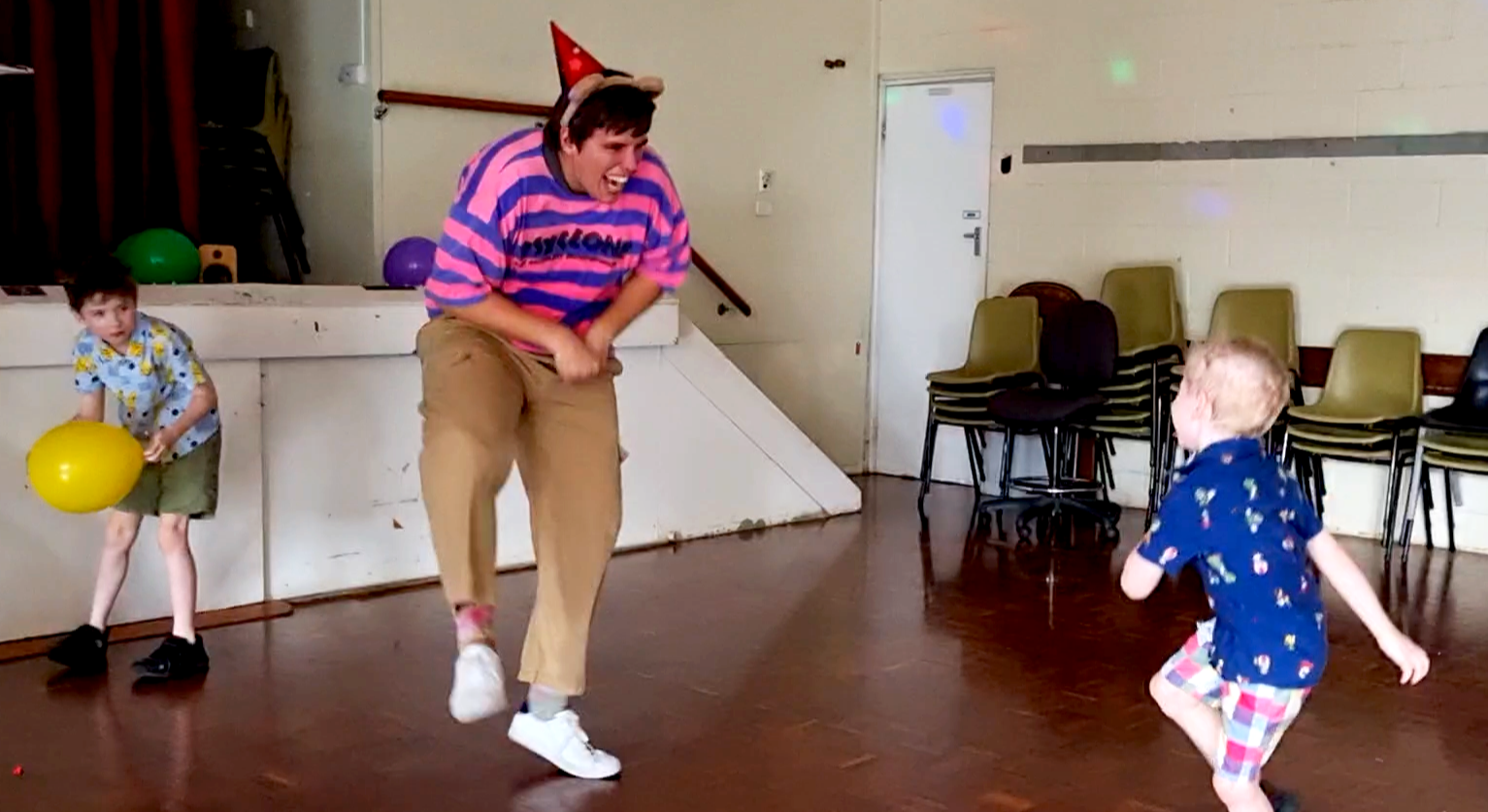
Improv isn’t just about being funny. It’s an entertaining and creative way to help children develop essential life skills.
One of the benefits of improv for children is how it builds problem-solving skills. When children engage in an improv activity, there’s no script and no “right” answer. They have to think for themselves, make quick decisions, and trust their own ideas. It is through these activities that children can grow confidence in their ability to figure things out on their own.
In improv, mistakes aren’t something to avoid, they’re something to embrace. We are taught that we need take risks. If a scene is going nowhere, take a risk and do something wild (‘Yes, it was me who poured red paint all over your wedding dress, and I’d do it again!’).
All too often, I see children freeze when asked to try something new, for fear of getting it wrong or being judged. When children are involved in improv, they have a safe environment to make mistakes and take risks. Over time, this mindset carries over to their daily life, helping them to feel more confident when trying something new.
When I’ve done small improv games in my class of young children, it always amazes me to see even the quietest of students come out of their shell.
It might not happen the first time we play a game, but it absolutely happens. Standing up, sharing ideas, and speaking in front of others becomes less intimidating when it’s part of a fun, low-pressure activity.
At the end of the day, improv is simply fun… and that matters. Kids have to deal with so much pressure each day, from navigating puberty to the constant presence of social media, and they need opportunities where they can switch off, be silly and just be themselves. Improv gives them that space.