
It's Okay To Take A Break
by Luke Rimmelzwaan
I’m always a little confused how to answer the question that frequently gets asked when you are working with a guest teacher: ‘How long have you been improvising for?’
I understand they are using length of time to be a proxy for experience and how much assumed knowledge they can account for, but I am never sure how to answer properly.
Some people answer with when they first ever improvised (a 5-year-old at the local PCYC drama club) or when they did their first ‘proper’ class (shout out to Brad Daniels in the Metro Arts old basement space) or when they first started doing shows regularly (a faux English pub in a suburban shopping centre, like where all great art starts).
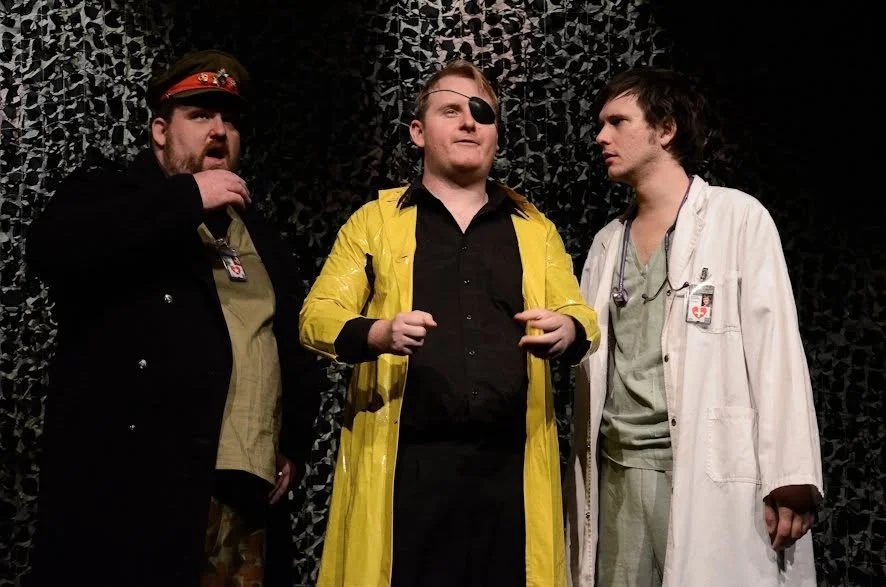
Luke Rimmelzwaan, Wade Robinson, David Massingham - Prognosis Death (2011)
I usually just say ‘For quite a while’ and that seems to get the job done as a panacea. The real reason I struggle to answer is that my improvisation journey hasn't been continuous. It has included several deliberate pauses that have been just as important as the time spent on stage.
The breaks I have taken from improvisation are sometimes short term, to respond to the various trials and tribulations of life and I would strongly recommend them for everyone, but there are more considered breaks that I have taken as well. I’d more call these sabbaticals.
The concept of sabbaticals comes from academia where faculty members would get some extended time off to read, do research and perhaps write a book and pursue other personal goals. The important thing is once the sabbatical is finished, they would go back to the job they were doing and continue, hopefully refreshed and with new insights and skills.
There have been a few times in my impro life where I have deliberately taken 6 or more months to stop some or all of my commitments with improvisation with the understanding that I would come back. I usually took a break when I noticed I had lost excitement or interest in doing the work or was getting frustrated in how I was performing or producing shows.
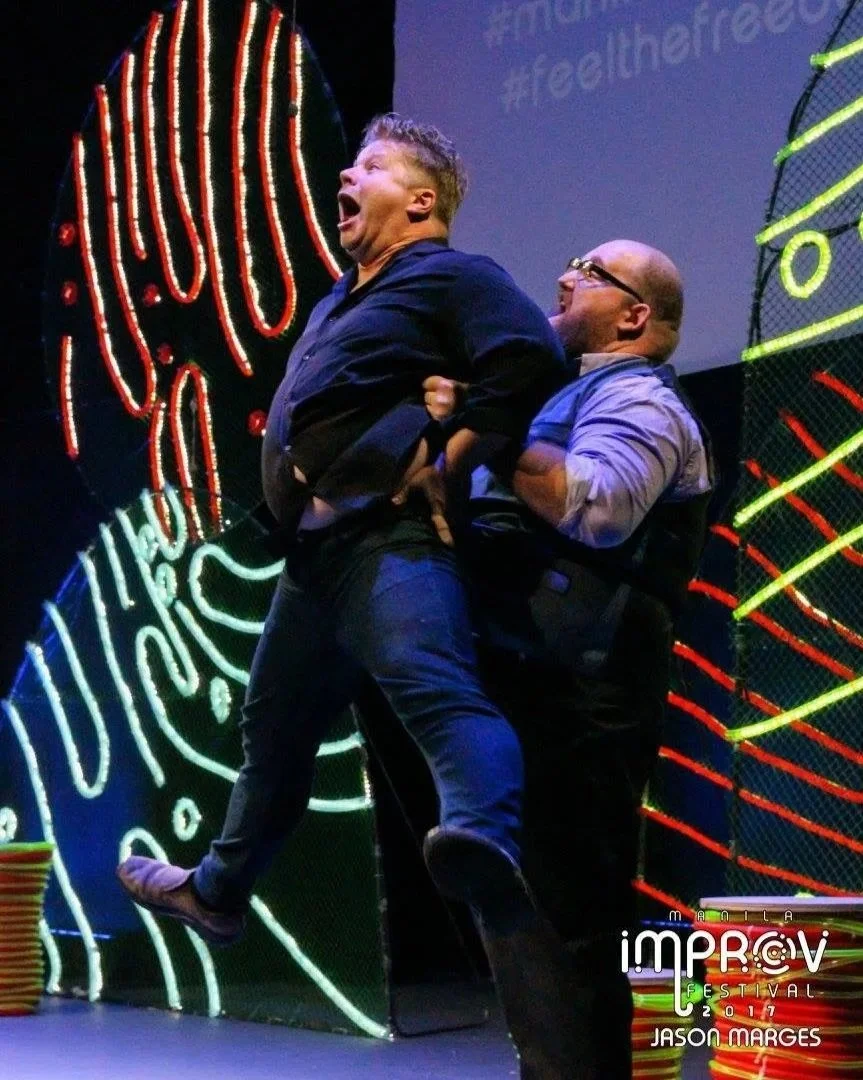
Tom Dunstan & Luke Rimmelzwaan - Manilla Improv Festival (2017)
Being able to take a break gives perspective and more importantly time and space to examine your work and yourself and start to understand what is going on with you. Most of the major breakthroughs I have had come from a combination of the experience of doing the work then have the time to examine it conscientiously and deliberately. It gives me more excitement to come back to the work with new eyes and enthusiasm.
A sabbatical can also give you time to work out what you want from improvisation; you want to take more responsibility in your local community, do you want to start producing your own shows, do you want to form your own group with its own aesthetic? This is particularly useful if you are getting frustrated or disillusioned with improvisation as taking a deliberate break gives us time to examine these feelings and see what is causing the issue and what we can do about it.
Improvisation allows us an almost infinite opportunity to grow and develop and by taking breaks it can give us time to be conscious in that development. Sabbaticals let you reexamine what impro means to you at various points in your life and what interests you in each time. It helps with burnout and finding new avenues to explore to keep you excited about taking risks and playing with other people.
Sabbaticals have probably stopped me from quitting impro at various times and has meant it is something that has been part of me for over half my life, and hopefully many years into the future.
Maybe a better answer to “How long have you been improvising for?” is “Not long enough yet.”